Georgian Rental Trends Tenants Are Setting
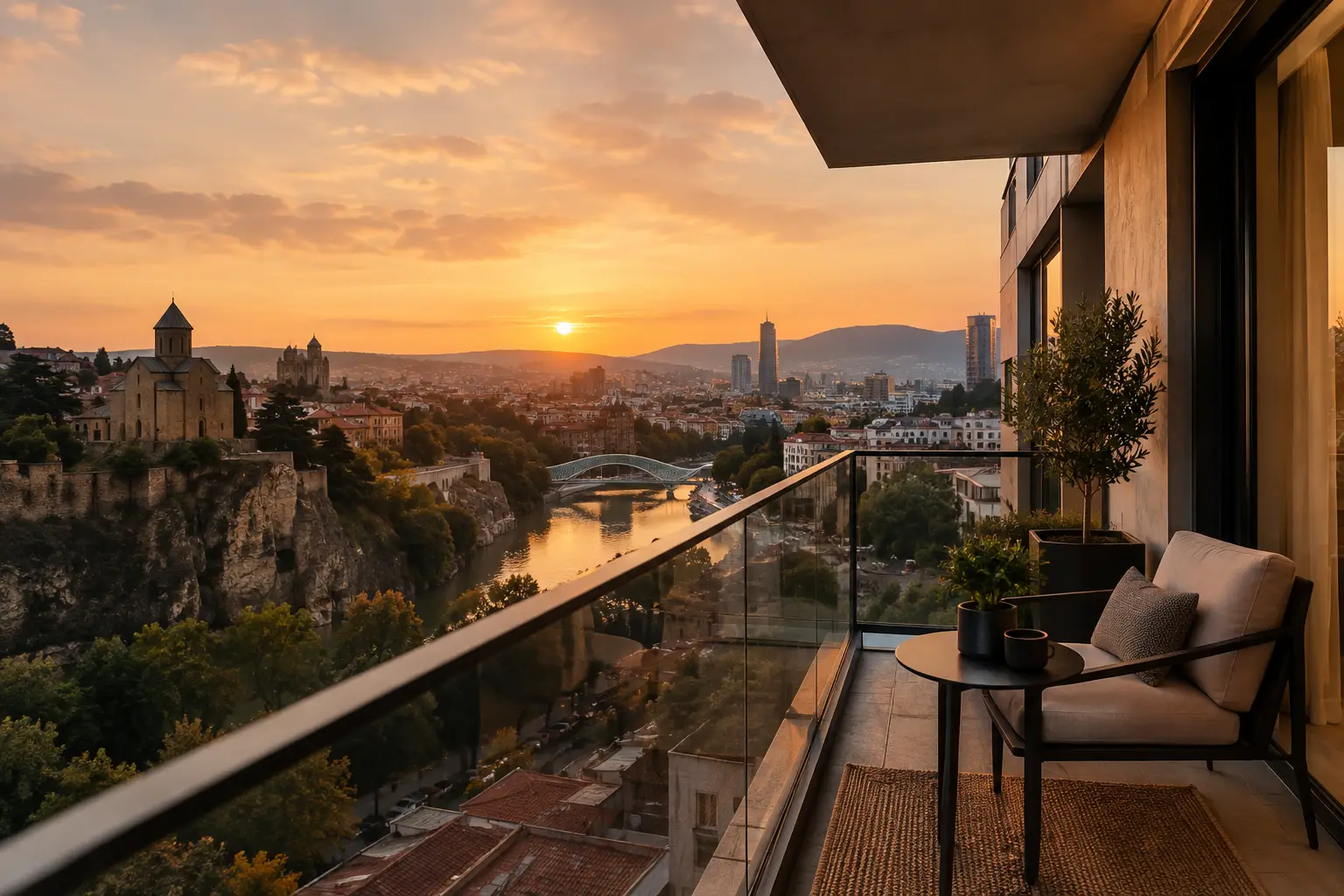
A tenant who arrives in Tbilisi with two suitcases does not rent a floor plan. They rent a working washing machine, stable internet, a quiet bedroom, and an owner who answers messages. That basic fact explains much of what is happening in the market. Georgian rental trends are less about a single headline number and more about a sharper divide between apartments that are ready for real life and apartments that only look acceptable in listing photos.
For a remote buyer, this matters before choosing a property. A flat can be in a familiar area, have a good view, and still sit empty if the kitchen is poorly equipped, the building entrance is neglected, or the owner has no plan for repairs. I see this difference on viewings. One unit gets serious calls within days. A similar unit in the same building gets saved online and then ignored.
Georgian Rental Trends Are Becoming More Selective
The pool of renters in Georgia is mixed. There are relocators who need a home immediately, employees on fixed-term assignments, families testing a move before committing to a purchase, and visitors who extend a stay beyond a holiday. Their budgets and timelines differ, but their standards are moving in the same direction: fewer compromises for an unfurnished or badly maintained apartment.
During periods of fast demand, almost any clean furnished unit could find a tenant. That is not a safe assumption now. Tenants compare many listings on the same day. They notice old mattresses, a weak air conditioner, stained curtains, missing kitchen tools, and photos taken years ago. These are small expenses for an owner, but they affect both the first viewing and the tenant's willingness to renew.
The strongest demand is usually for an apartment that can be occupied the same evening. It needs a proper bed rather than a decorative sofa, storage for clothes, adequate lighting, working appliances, and clear utility arrangements. For families, the practical details become even more important: elevator condition, a usable second bedroom, nearby daily services, and whether the street is tolerable at school-run hours.
This does not mean every landlord should over-furnish a unit. Expensive designer furniture can be a poor use of money if it is hard to replace or easy to damage. Durable, neutral, repairable furniture usually serves the rental market better. The goal is not to create a showroom. It is to remove reasons for a tenant to keep looking.
Lease Flexibility Has a Price
Many renters first ask for flexibility. They may want a short initial term, an option to extend, or a move-in date that shifts by a week. Owners often hear this as a problem. Sometimes it is. Frequent turnovers create wear, cleaning work, and gaps between tenants.
But an inflexible owner can lose a good applicant for no real reason. The sensible approach depends on the property and the owner's own plans. A furnished one-bedroom aimed at a relocating professional may need more flexibility than a larger home intended for a family. What matters is writing down the agreement clearly: term, payment date, deposit, notice period, who handles small repairs, and what is included with the apartment.
Verbal agreements create avoidable disputes. So do vague promises such as “everything is included.” If internet, building fees, parking, or cleaning are handled separately, say so before the tenant commits. Clear terms do not just protect the owner. They help a good tenant decide faster.
Seasonal Demand Changes the Way You Should Read Listings
Rental demand in Batumi can change quickly with the season. A calendar full of summer inquiries does not automatically describe the rest of the year. Holiday tenants tend to value proximity to the sea, a balcony, air conditioning, and an easy arrival process. Longer-stay renters may care more about heating, grocery access, noise from nearby construction, and whether the building feels lived in outside peak season.
That distinction affects how a buyer should judge a unit. A compact apartment with a good summer presentation may perform differently from a home that works in November. Visit the building at more than one time of day if possible. Ask whether the lobby, elevators, and surrounding streets remain comfortable when the tourist flow drops. Marketing images rarely answer those questions.
Kazbegi has an even more specific rhythm. Guests often come for a defined purpose and a defined period. Weather, road conditions, heating reliability, parking, and access to basic supplies can matter more than decorative finishes. A property may photograph beautifully and still be difficult to operate when conditions are less forgiving. This is a real operational risk, not a reason to dismiss the region.
What Tenants Now Notice First
On an in-person viewing, tenants make a fast decision before they discuss the rent. They notice the entrance, smell, light, noise, water pressure, and the condition of the bathroom. Photos rarely show these things honestly.
A few details repeatedly separate an easy rental from a difficult one. Is there enough storage for a longer stay? Does the bedroom have blackout curtains? Can two people work from the apartment without sitting at the same small table? Does the air conditioner cool the actual living space? Is the boiler functioning properly? None of these questions are glamorous, but they affect reviews, renewals, and the number of messages an owner receives after move-in.
Internet deserves its own check. “Internet available” is not the same as tested internet in the apartment. Remote workers will ask about speed, router placement, and backup options if their work depends on video calls. An owner who has tested the connection and can answer directly has an advantage over a listing filled with general claims.
What This Means for a Buyer Choosing a Rental Property
If you are purchasing remotely, do not treat the asking rent in a listing as evidence of tenant demand. It is only an asking figure. Look for signs that the property is actually ready to compete: current photos, a coherent furnishing package, realistic lease terms, and an owner or manager who can deal with problems promptly.
I would also separate a building's reputation from the condition of one particular unit. The same address can contain apartments with very different layouts, repairs, views, noise exposure, and furnishing quality. Floor level matters. So does the direction of the windows. A lower floor facing a busy entrance may rent differently from a higher, quieter unit in the same block.
Before making a decision, inspect the property as a tenant would. Turn on the faucets. Open and close the windows. Check the cabinets, appliances, locks, and air conditioning. Stand quietly in the bedroom for a few minutes. Look from the balcony toward neighboring buildings and construction sites. If the apartment will be managed from abroad, ask who can physically visit when a tenant reports a leak or an appliance failure.
There is a trade-off here. A unit needing work may have a lower entry price, but the work must be planned and controlled from a distance. A ready apartment can be easier to place, but only if its furniture and finish are genuinely serviceable rather than cosmetic. Neither option is automatically better. The right choice depends on your time, budget, and tolerance for ongoing decisions.
The Trend Is Toward Proof, Not Promises
The market is becoming less forgiving of vague listings and absent owners. Tenants want current information, a clean handover, and a place that works on day one. Buyers should want the same standard before they rely on a rental plan.
A good rental decision starts with the property in front of you, not a general story about the market. Send your task on Telegram: city, budget, intended use, and when you want the apartment ready, and I will tell you what I would inspect first.